branding iron for leather sets the stage for an enthralling narrative, offering readers a glimpse into a story rich with detail and craftsmanship. These essential tools not only serve practical purposes in leatherworking but also carry historical significance that connects artisans with generations of tradition. From the materials used to construct them to the variety of styles available, branding irons play a pivotal role in the art of leathercraft.
Exploring the world of branding irons unveils the intricacies of their design, the methods of application, and the maintenance required to ensure longevity. With both manual and electric options available, each type has its own unique advantages and challenges. This guide will take you through the entire process, from initial design to the final product, highlighting how branding can enhance the value and personalization of leather goods.
Introduction to Branding Irons for Leather
Branding irons are essential tools in the art of leathercraft, designed to imprint unique designs or symbols onto leather surfaces. This technique not only enhances the visual appeal of leather goods but also serves to mark ownership, much like a signature. Through the careful application of heat, branding irons allow artisans to create lasting impressions that can elevate the value and character of leather items.
The practice of branding leather has deep historical roots, dating back to ancient civilizations. Many cultures utilized branding as a means of marking livestock and property, ensuring ownership was evident. This custom eventually evolved into a craft, with artisans using branding irons to personalize leather goods for both functional and decorative purposes. The use of branding in leatherwork reflects both cultural identity and craftsmanship, highlighting the significance of individualized artistry in various societies.
Materials Used in Making Branding Irons
The construction of branding irons involves specific materials that ensure durability and effectiveness. The primary materials used in crafting these tools include:
Steel
The most common material, steel provides strength and heat retention essential for creating clear impressions on leather. High-carbon steel is often preferred due to its ability to hold sharp edges and resist warping.
Brass
Used for its excellent thermal conductivity, brass branding irons heat up quickly and evenly, making them ideal for more intricate designs. They are also resistant to corrosion, enhancing their longevity.
Aluminum
Lightweight and resistant to rust, aluminum is an alternative for some branding irons. However, it may not retain heat as effectively as steel or brass, making it less common for professional use.
These materials are selected not only for their physical properties but also for their ability to withstand the rigors of repeated use in various leathercraft applications. Each type of branding iron requires careful consideration of the material to achieve the desired results in both artistry and functionality.
“The choice of material directly impacts the quality and precision of the branding process.”
Types of Branding Irons
Branding irons are essential tools for leather artisans, allowing them to leave a mark of uniqueness on their creations. Understanding the different types of branding irons is crucial for anyone looking to personalize leather goods effectively. This section will cover the two primary categories of branding irons: electric and manual, discussing their effectiveness, advantages, and disadvantages.
Electric Branding Irons
Electric branding irons use electricity to generate heat, allowing for quicker and more consistent branding on leather. The temperature can often be controlled, providing flexibility for different types of leather and designs.
- Effectiveness: Electric branding irons typically offer uniform heat distribution, which can lead to cleaner and more precise burns. This is especially beneficial for intricate designs and logos.
- Advantages:
- Faster heating time, reducing wait periods between brands.
- Adjustable temperature settings for various leather types.
- Consistent results which enhance branding quality.
- Disadvantages:
- Generally higher initial investment compared to manual irons.
- Dependence on electrical power, which may limit portability.
- Potential safety hazards if not used carefully, involving electrical components.
Manual Branding Irons
Manual branding irons rely on being heated over a flame or hot coals. They have been used for centuries and still remain popular among traditional leather workers.
- Effectiveness: While manual branding irons can produce quality results, they may require more skill to achieve consistency, especially with varying heat levels.
- Advantages:
- Lower upfront cost, making them accessible for beginners.
- Portability, as they do not require a power source.
- Ability to create a unique charm or rustic finish, appealing to certain artisans.
- Disadvantages:
- Inconsistent heating can lead to varied branding quality.
- Longer time needed to heat up, which can slow down production.
- Challenges in achieving precise designs, especially for fine details.
Choosing the right branding iron depends on your specific needs, desired outcomes, and the type of leather projects you undertake.
Designing a Branding Iron
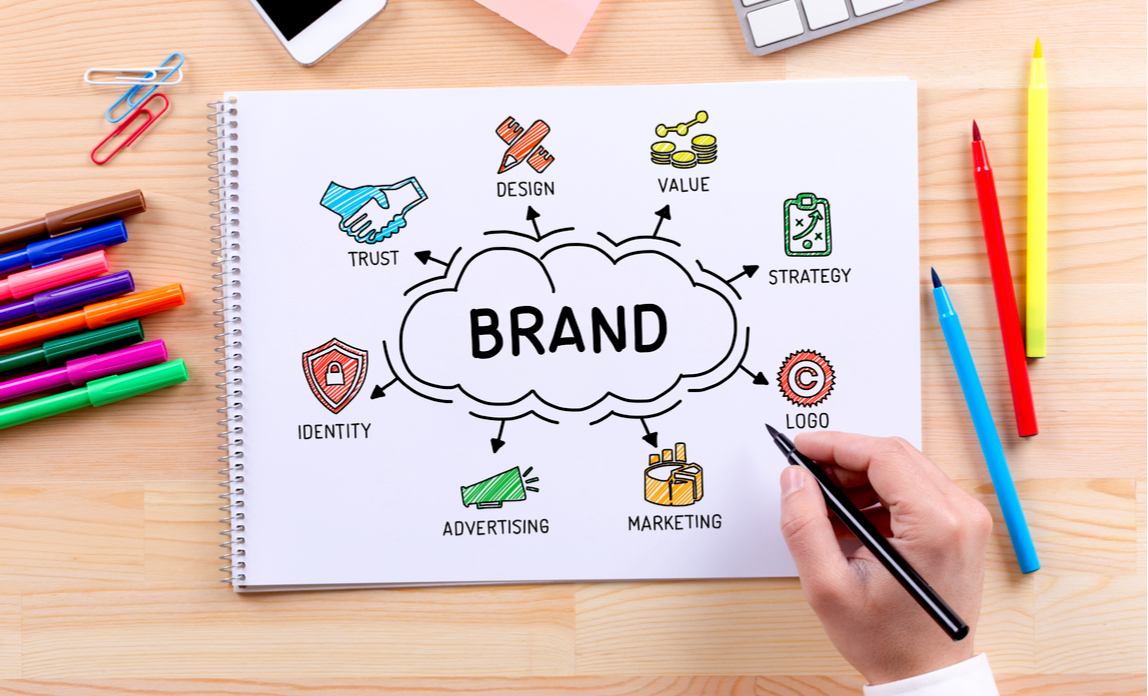
Creating a custom branding iron involves a thoughtful design process that combines creativity with practicality. The branding iron not only serves a functional purpose but also represents your brand’s identity. Therefore, investing time in the design phase is crucial for achieving the best results.The design process for a branding iron requires several key steps that ensure the final product aligns with your vision and requirements.
This includes choosing the right size, selecting an appropriate font, and sketching the design before moving into production. Each of these steps contributes to the overall effectiveness of your branding iron.
Choosing the Right Size and Font
Selecting the size and font for your branding design plays a significant role in how your brand is perceived. A well-chosen font and size can communicate your brand’s personality and ensure readability, which is essential when branding leather products.Start by considering the scale of the items you will be branding. Larger items may require a bigger branding iron to ensure the design is visible and legible.
Smaller items, on the other hand, benefit from a more compact design. Here are some factors to consider when choosing size and font:
- Item Dimensions: Measure the area on your leather item where the branding will occur. This will help you determine the maximum size for your branding iron.
- Font Style: Choose a font that reflects your brand’s character—serif fonts convey tradition and reliability, while sans-serif fonts suggest modernity and simplicity.
- Readability: Ensure that the font is easy to read at a distance. Test different fonts and sizes to see how they look when scaled.
- Brand Image: Align the font choice with your overall branding strategy. It should resonate with your target audience and fit within your brand’s visual guidelines.
Sketching and Visualizing the Design
Before embarking on production, sketching and visualizing your branding design is an essential step. This process helps you solidify your ideas and allows for adjustments before committing to a final design. Start by creating rough sketches of your branding iron. Don’t worry about perfection; the goal is to capture the essence of your idea. Consider these tips for effective sketching:
- Use Graph Paper: This will help maintain proportions and provide a clear layout for your design elements.
- Incorporate Shapes: Break down your branding design into basic shapes to simplify the sketching process.
- Experiment with Layout: Try different arrangements of text and graphics to see what works best visually and functionally.
- Visualize Branding in Context: Place the sketched design on a scale drawing of your leather item to see how it will look in real life.
“Effective branding is not just about your logo; it’s about telling your story through every detail, including your branding iron design.”
By taking the time to design thoughtfully, you can create a branding iron that not only looks impressive but also stands the test of time in establishing your brand’s identity.
Using Branding Irons on Leather
Branding leather is an artistic endeavor that not only adds a personalized touch but also enhances the aesthetic appeal of leather goods. When executed well, branding can elevate a simple leather item into a unique piece of art. However, to achieve the best results, proper preparation and technique are essential. Below, you’ll find a detailed guide on how to prepare leather and effectively use branding irons, along with important safety precautions.
Preparing Leather for Branding
Before the actual branding process, it is crucial to prepare the leather adequately. This ensures that the branding iron can create a clear and lasting impression. Here are the steps to prepare your leather:
1. Choose the Right Leather
Select a type of leather that is suitable for branding, such as vegetable-tanned leather. This type holds heat well, allowing for more defined branding.
2. Clean the Surface
Wipe the leather with a damp cloth to remove any dust or debris. A clean surface allows for better contact with the branding iron.
3. Condition the Leather
Apply a leather conditioner if the leather is dry. This helps soften the leather, making it more receptive to the branding process.
4. Allow to Dry
Ensure the leather is completely dry before proceeding. Moist leather can lead to uneven branding.
5. Mark the Area
Use a pencil or a soft tool to lightly mark where you plan to apply the branding iron. This ensures precise placement.
Step-by-Step Guide to Using a Branding Iron
Using a branding iron effectively requires a systematic approach to ensure the best results. Follow this step-by-step guide:
1. Heat the Branding Iron
Preheat your branding iron using an appropriate heat source, such as a propane torch or an electric heat source. The optimal temperature is around 600°F (315°C).
2. Test the Temperature
Before branding your leather item, perform a test on a scrap piece of leather. This helps gauge the heat and prevents unwanted results on your actual project.
3. Position the Iron
Once the branding iron is hot, carefully position it over the marked area on the leather. Make sure it is level to ensure an even impression.
4. Apply Pressure
Firmly press down the branding iron onto the leather for about 5 to 10 seconds. The duration may vary based on the thickness of the leather and the design.
5. Remove the Iron
Carefully lift the branding iron straight up without twisting, as this can distort the design.
6. Inspect the Branding
After branding, check the clarity of the mark. If necessary, you can reapply the branding iron for a moment to enhance the impression.
Safety Precautions When Branding Leather
Branding leather involves the use of high temperatures, which necessitates certain safety precautions to avoid accidents or injuries. It’s important to adhere to the following safety measures:
Work in a Ventilated Area
Ensure that your workspace is well-ventilated to avoid inhaling any fumes from the leather or heat source.
Wear Protective Gear
Always use heat-resistant gloves to protect your hands from burns. Safety goggles can also protect your eyes from accidental sparks.
Use a Heat-Resistant Surface
Work on a non-flammable surface to prevent any risk of fire. A metal or stone surface is ideal.
Keep Water Nearby
Have a container of water or a fire extinguisher on hand in case of emergencies.
Avoid Distractions
Stay focused while branding to prevent accidents. It’s best to work when you are not rushed or distracted.Branding leather is a process that combines art and technique. By carefully preparing the leather and following the correct procedures, you can create beautiful, lasting designs that reflect your personal style, all while prioritizing safety throughout the process.
Maintenance and Care for Branding Irons
Maintaining and caring for branding irons is essential for ensuring their longevity and effectiveness. Proper cleaning and storage practices, along with an understanding of common issues, can help keep your branding tools in optimal condition for many years.
Cleaning Branding Irons After Use
Keeping your branding irons clean is crucial to prevent residue buildup that can affect the quality of your branding. After using a branding iron, allow it to cool down completely. While the iron is still warm, use a soft cloth or paper towel to wipe off any excess leather, oils, or debris. For more stubborn residues, a gentle brush can be used.
To ensure thorough cleaning, consider the following best practices:
- Use warm soapy water for a deeper clean, but avoid immersing the iron in water, as this can lead to rust.
- For stubborn stains or residue, a mixture of baking soda and water can be effective; apply it with a soft cloth and wipe it off.
- After cleaning, dry the branding iron completely with a cloth to prevent moisture from causing rust.
Storing Branding Irons to Prevent Damage
Proper storage of branding irons is crucial to avoid damage and maintain their sharpness. It is advisable to store them in a way that prevents them from touching each other or any hard surfaces. Here are some recommended storage solutions:
- Use a dedicated toolbox or drawer that has padded compartments to prevent scratches.
- Consider hanging the branding irons on a pegboard with protective hooks to avoid contact and keep them organized.
- Wrap each branding iron in a soft cloth or anti-rust paper for added protection before placing them in storage.
Common Issues with Branding Irons and Their Solutions
Branding irons can face various issues over time, but many can be easily resolved with the right approach. Understanding these common problems can help in maintaining the quality of your branding efforts.Here are some frequent issues and their solutions:
- Rust Formation: If you notice rust on your branding iron, gently scrub it off with fine steel wool and apply a thin layer of oil to protect it from moisture.
- Poor Branding Quality: Inconsistent heating can lead to poor branding results. Ensure your heat source is reliable and check the temperature before use.
- Bent or Warped Irons: If an iron becomes bent, carefully reshape it while it is still warm. Avoid excessive force to prevent breakage.
Regular maintenance and proper care can significantly extend the lifespan of your branding irons, ensuring they remain effective tools in your leather working endeavors.
Applications of Branding Irons in Leathercraft
Branding irons serve multiple purposes in leathercraft, enhancing both functionality and aesthetic appeal. By incorporating a branding iron into the leather crafting process, artisans can create unique pieces that stand out in the market. The branding process not only adds a personal touch but significantly increases the perceived value of leather goods.Branding irons can be utilized across a variety of leather products, such as wallets, belts, and bags.
The application of a brand or logo to these items not only signifies the maker’s identity but also communicates quality and craftsmanship. Here are some key applications of branding irons in leathercraft:
Common Uses of Branding Irons
Branding irons can be applied to various leather goods, enhancing their uniqueness and value. The following items commonly feature branding:
- Wallets: Personalizing wallets with initials or logos makes them great gifts and adds a personal touch that many customers appreciate.
- Belts: A branded belt not only represents style but also showcases the craftsmanship behind it, making it a favored choice among fashion-conscious consumers.
- Handbags: Logo branding on handbags reinforces brand identity and adds a luxurious touch that often attracts higher prices in the market.
- Leather Journals: Personal branding on journals can make them feel special for the owner, often used in gifting scenarios or personal keepsakes.
- Dog Collars: Custom branding on pet accessories not only personalizes them but also adds an element of identification that pet owners often seek.
The process of branding enhances the value of leather goods in several ways. Firstly, it establishes authenticity, allowing customers to recognize genuine products from a particular brand. Additionally, branding can elevate the item’s status, as consumers often associate branded products with quality and exclusivity.
Enhancing Value Through Branding
The value of leather goods can significantly increase through effective branding strategies. Several factors contribute to this enhancement:
- Perceived Quality: A well-branded item is often perceived as more valuable than its unbranded counterpart, fostering a sense of trust in the craftsmanship.
- Emotional Connection: Branding creates a connection between the consumer and the product, making it more than just a functional item—it’s a statement of identity.
- Market Differentiation: In a saturated market, a distinctive brand can set a product apart, making it more appealing to potential buyers.
- Resale Value: Branded leather goods often retain value better than unbranded items, allowing owners to sell them at a higher price in the future.
Branding also plays a crucial role in personalizing leather items for customers. A unique brand mark or a custom design can transform an ordinary leather product into a cherished possession.
Personalization of Leather Items
The ability to customize leather goods through branding is a significant advantage for both artisans and customers. Personalized branding options include:
- Initials or Names: Many customers prefer personalized items that reflect their identity, making initials or names a popular choice for branding.
- Custom Logos: Businesses often use branding to reinforce their identity, making custom logos a practical application for corporate gifts or promotional items.
- Design Patterns: Unique designs can be created using branding irons, allowing artisans to express creativity while providing customers with one-of-a-kind products.
The integration of branding irons in leathercraft not only elevates the products but also enriches the customer experience, making each piece unique and valuable.
Marketing Your Leather Products with Branding
Establishing a strong brand identity is essential for standing out in the competitive leather goods market. Through effective branding, leather products not only gain recognition but also foster customer loyalty and trust. This section delves into how branding can create a unique identity for leather products and Artikels strategies for leveraging this identity in product marketing.Branding plays a pivotal role in distinguishing your leather products from competitors.
A well-defined brand identity conveys the values, quality, and craftsmanship behind each item. It gives customers a reason to choose your products over others. When consumers connect with a brand, they are more likely to develop loyalty and become repeat buyers.
Creating a Unique Identity for Leather Products
To create a unique identity through branding, consider the following elements that contribute to a strong brand presence:
- Brand Story: Share the narrative behind your leather products, highlighting the craftsmanship, materials, and inspiration that go into each item. This helps create an emotional connection with your audience.
- Logo and Visual Design: Develop a distinctive logo and consistent visual theme that reflects your brand’s essence. Use these elements on product labels, packaging, and marketing materials to enhance recognition.
- Quality Assurance: Ensure that your products meet high standards of quality. Consistently delivering exceptional goods reinforces your brand’s reputation.
- Target Audience: Identify and understand your target customers. Tailor your branding and messaging to resonate with their values and preferences.
Leveraging Branding in Product Marketing
Once you have established a unique brand identity, it is crucial to leverage it effectively in your marketing strategies. Here are some approaches worth considering:
- Social Media Presence: Use platforms like Instagram and Facebook to showcase your products and engage with your audience. Visual storytelling is particularly effective in the leather goods market.
- Collaborations: Partner with influencers or brands that align with your values. This can amplify your reach and introduce your products to new audiences.
- Customer Feedback: Encourage and showcase customer testimonials. Positive reviews can enhance credibility and attract new customers.
- Content Marketing: Create valuable content related to leather care, styling tips, or the craftsmanship process. This positions your brand as an authority in the leather industry.
Importance of Consistency in Branding
Consistency is key when it comes to branding across different products. Maintaining a cohesive brand image ensures that customers can easily recognize and trust your products. Here are essential aspects to keep in mind for consistent branding:
- Unified Messaging: Ensure that your messaging aligns with your brand values in all marketing channels. This helps reinforce your brand’s identity and builds trust.
- Visual Consistency: Use the same color palettes, fonts, and design elements across all products and promotional materials. This creates a recognizable brand aesthetic.
- Product Range: Ensure all products reflect the same quality and brand values. Consistency in product offerings enhances brand loyalty.
- Customer Experience: Deliver a consistent experience, from purchase to customer service. Positive interactions foster lasting relationships with customers.
“A strong brand is a promise kept.”
It is this promise that customers come to expect with each interaction with your leather products, ultimately driving their loyalty and your brand’s success.
Trends in Leather Branding
As the leather industry evolves, so do the techniques and designs associated with branding leather goods. With artisans and brands seeking to differentiate their products in a competitive market, trends in leather branding are becoming more innovative and diverse. This section will delve into the current trends influencing branding in leatherwork and how technology plays a role in these developments.One significant trend is the integration of personalized branding options, allowing customers to customize branding irons with their initials or unique designs.
This trend enhances the connection between the product and the consumer, making each piece feel unique and tailored. Additionally, environmentally friendly practices are gaining traction, with artisans opting for sustainable materials and processes that resonate with eco-conscious consumers.
Current Branding Techniques and Designs
The landscape of leather branding is shifting towards several key techniques and designs that reflect contemporary preferences and technological advancements. It’s essential to recognize these techniques to understand modern leather branding’s aesthetic and functional aspects.
- Heat Stamping: This technique uses a heated metal stamp to imprint designs onto leather, creating a precise and durable mark. It’s favored for its clean lines and ability to create intricate designs.
- Laser Etching: Utilizing laser technology, this method allows for high-precision branding that can produce detailed images and text. This technique is particularly popular for intricate logos and custom designs, offering a modern touch.
- Debossing and Embossing: These techniques create a three-dimensional effect on leather, adding texture and depth to the branding. Debossing pushes the design into the leather, while embossing raises it for a tactile experience.
- Colorful Branding: Modern brands are experimenting with colored branding in addition to traditional metallic finishes. This includes the use of dyes that can create vibrant designs that stand out on leather surfaces.
Influence of Technology on Leather Branding
Technology is reshaping the way leather branding is approached by introducing new tools and methods that enhance creativity and efficiency. The rise of computer-aided design (CAD) software allows artisans to create detailed branding designs before physically applying them to leather. Furthermore, automated stamping machines enable consistent and high-quality branding, reducing the time and effort required for manual processes. This technological shift not only streamlines production but also opens up possibilities for intricate designs that were previously challenging to achieve by hand.
Innovative Branding Iron Designs by Artisans
Artisans are pushing the boundaries of traditional branding irons by crafting innovative designs that reflect personal artistry and brand identity. These unique branding irons often feature:
- Custom Shapes: Beyond the standard rectangular or circular shapes, many artisans are creating branding irons in the shapes of logos or symbols that represent their brand’s ethos.
- Multi-functional Tools: Some artisans design branding irons that can be adjusted for different temperatures and designs, allowing for versatility in branding techniques.
- Ergonomically Designed Handles: Modern branding irons often come with handles designed for comfort, reducing strain during prolonged use and enhancing the artisan’s control over the branding process.
- Incorporation of Technology: Brands are beginning to integrate digital elements into their branding irons, enabling connectivity with design software for real-time adjustments.
The combination of these trends and innovations showcases how the leather branding industry continues to evolve, reflecting broader changes in consumer preferences and technological capabilities. As artisans embrace these advancements, the future of leather branding looks promising, providing ample opportunities for creativity and differentiation in the market.
Wrap-Up
In conclusion, understanding the role of branding irons for leather enriches not only the craft of leatherworking but also the connection between makers and their creations. As you explore the various applications and trends in leather branding, remember that each mark you make tells a story, elevating the artistry behind every piece. Whether for personal use or to market your products, mastering branding techniques can significantly impact the perception and value of your leather items.
Commonly Asked Questions
What materials are used to make branding irons?
Branding irons are typically made from metals such as brass, steel, or aluminum, which can withstand high temperatures necessary for branding.
Can branding irons be used on other materials besides leather?
Yes, branding irons can also be used on wood, cork, and some synthetic materials, although results may vary based on the material.
How long does it take for the branding to cool down?
The cooling time for a branded leather item can take anywhere from a few minutes to several hours, depending on the thickness of the leather and environmental conditions.
Is it possible to create a custom design for a branding iron?
Absolutely! Many artisans offer services to create custom designs, allowing you to personalize your branding iron to suit your needs.
What safety precautions should I take when using a branding iron?
Always wear heat-resistant gloves, ensure proper ventilation, and keep a fire extinguisher nearby while working with branding irons to ensure safety.